

Value vs control. Backloading suits flexible windows and smaller loads; dedicated transport suits fixed dates, bigger homes, and tighter delivery timing into Adelaide.

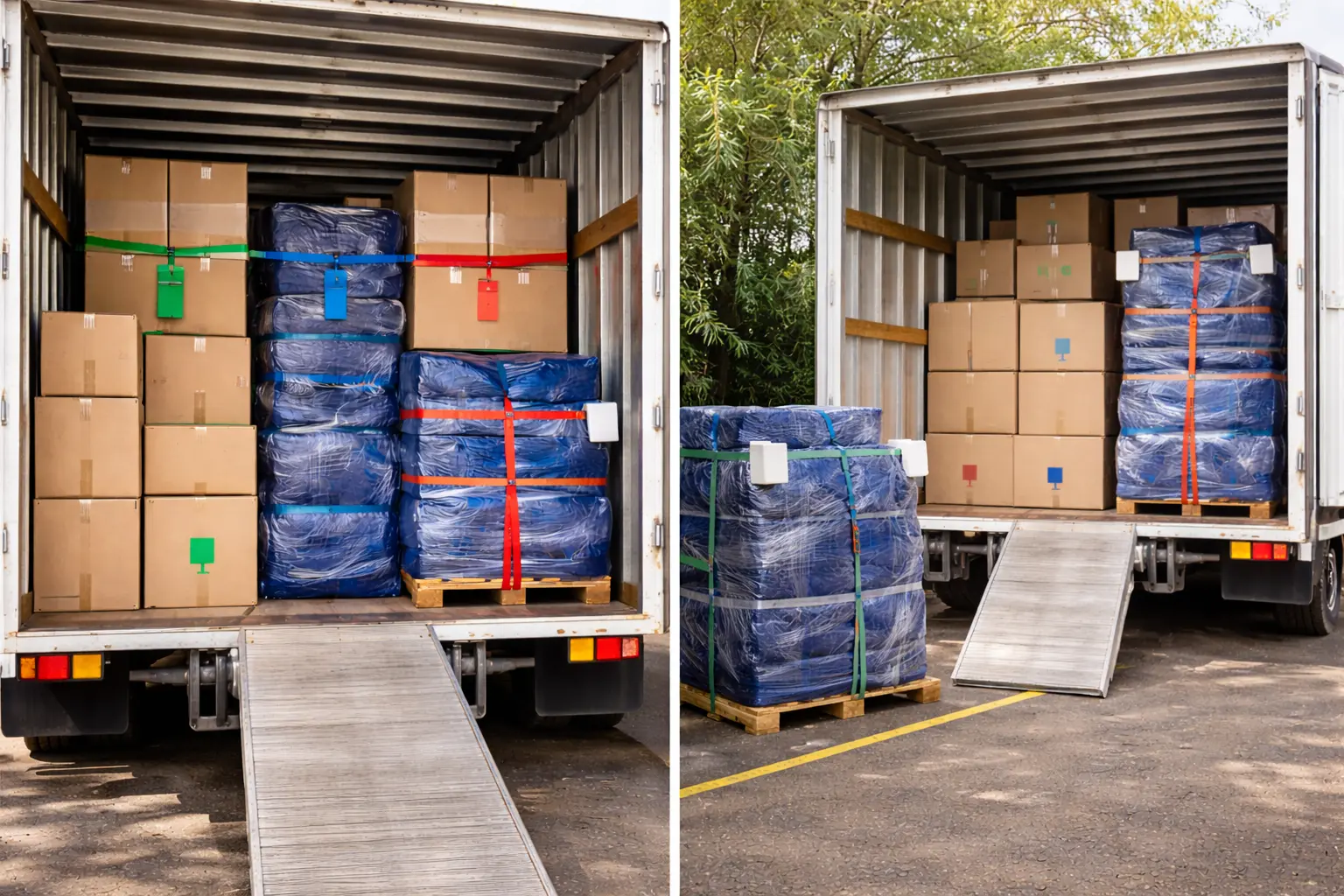
When you’re organising a Melbourne to Adelaide move, the real decision isn’t “which company has the fanciest wording” — it’s how you want the move to run. Do you want the lowest-cost model that relies on flexibility, or do you want the model that buys you tighter control over dates and sequencing? This guide lays out both options in plain language, so you can stop second-guessing and pick the approach that fits your timeline, your access, and your load size. It also helps you avoid the classic trap: choosing based on the cheapest headline price, then paying for delays or changes that were predictable from day one.
Backloading is the shared-space model — you’re reserving the room your items take up on a truck that’s already travelling the Melbourne → Adelaide route. That’s why it can be cost-effective: you’re not funding a full vehicle when you don’t need one. It tends to suit smaller households, partial loads, downsizers, and anyone who can work within pickup and delivery windows. If you want a simple breakdown of how shared-load removals work, start with What is Backloading?, then check the Melbourne-specific option here: Backloading Melbourne to Adelaide.
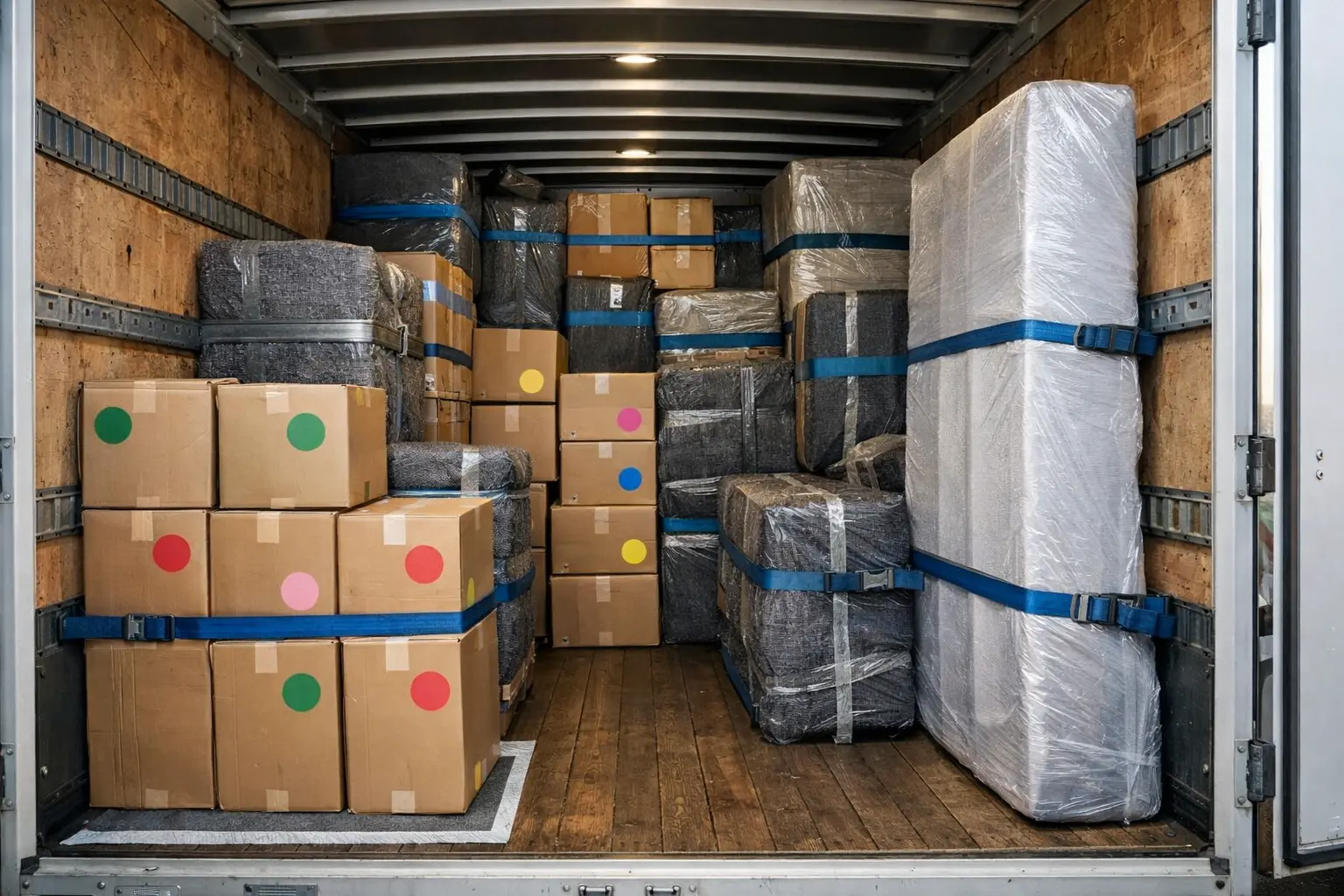
Dedicated transport is the “control-first” option. It’s built for fixed constraints — settlement deadlines, lease handovers, work start dates, or situations where you need more defined timing and less dependence on shared-load sequencing. It also makes sense for larger households where the inventory volume benefits from a cleaner load plan and less mixing. If you’re weighing up a dedicated-style move, begin with the primary route service page so you’re comparing the right inclusions: Removalist Melbourne to Adelaide.
This is where most interstate moves either feel smooth… or feel like a headache. Backloading usually runs on pickup and delivery windows because the route is shared and deliveries are sequenced. Dedicated transport typically offers more scheduling definition because your move isn’t competing with other customers’ timing in the same way. What shifts windows? Real-world stuff: access delays at pickup, loading time changes due to undisclosed items, route scheduling, delivery order, and availability at the Adelaide end. If you want a practical planning checklist that reduces timing blow-outs, use Interstate Moving Guide Adelaide and keep your inventory and access notes tight.
Long-distance linehaul doesn’t reward “close enough” packing. Cheap cartons, overloaded boxes, and vague labels don’t just increase the chance of damage — they slow down loading, complicate the load plan, and drag out delivery day. The goal is stability: strong boxes, proper sealing, void filling so items don’t rattle, and clear room labels so cartons land where they belong. For packing guidance that’s built for interstate transport (not Instagram), use Packing Tips and Advice.
Good labels reduce double-handling, which reduces time, which reduces risk — especially when you’re unloading into a new place and just want the essentials in the right rooms. Add a simple “priority” marker for cartons you’ll need first-night (bedding, kettle, toiletries, chargers) so they don’t disappear into the stack.
The most common problem in interstate moving is also the most predictable: Melbourne move-out dates and Adelaide key dates don’t always match. Short-term storage can take the pressure off, prevent rushed scheduling, and support staged delivery when you want essentials first and the rest after. If you need that breathing room, start here: Storage Solutions for Interstate Moves. For higher-value items, it’s also worth asking what transit protection is included, what exclusions apply, and what optional upgrades exist for fragile or valuable goods. If you don’t want to DIY the fragile rooms, pre-pack support can be a smart add-on that reduces risk and keeps the load plan cleaner. If you’re planning your overall Adelaide arrival setup, this hub ties everything together: Moving Home to Adelaide.
Send your inventory list, pickup address details, delivery suburb, and access constraints (stairs, lifts, loading zones, long carry) through the quote form. You’ll get a clearer recommendation when the decision is based on your real constraints, not an “ideal” version of the move.
Want the easiest next step? Request a FREE QUOTE or reach out via Contact Us and we’ll help map the best Melbourne → Adelaide option for your dates.
