

Get a quote that reflects your real load. Cubic metres, stairs/lifts, parking access, and date flexibility are the big cost drivers on this interstate route.


Melbourne to Adelaide is a proper interstate linehaul, not a “quick local job.” The truck runs roughly 700+ kilometres and crosses a state border, so planning matters. Quotes are shaped by three inputs: space, handling time, and schedule pressure. Space is measured in cubic metres, because that’s what physically fits in the vehicle. Handling time comes from stairs, lifts, narrow hallways, long carries, and awkward parking. Schedule pressure comes from your date window, not your optimism. End-of-month lease cycles, weekends, and holiday periods usually tighten availability. If you want a stable price, your inventory needs to be honest.
“Two bedrooms” can mean 12 m³ or 25 m³ depending on storage and furniture style. Garages and balconies are the classic blow-outs people forget. Access notes are the next common issue people understate. A single extra flight of stairs can add serious lift-and-carry time. The same goes for lift bookings that restrict a building to fixed time slots. On an interstate run, packing quality isn’t optional, because loads are stacked and restrained for transport.
Weak cartons collapse and turn into damage risk and extra labour. Backloading can reduce cost if you can accept pickup and delivery windows. Dedicated transport costs more, but it can suit strict settlement deadlines. Storage can also affect price when move-out and key handover don’t match. The cleanest way to avoid price drift is to list bulky items, carton counts, and access constraints upfront. Do that and your Melbourne to Adelaide quote is far more likely to match the move you actually do.
Backloading is usually the value play when you can work with date ranges, because you’re buying the space your load uses on a scheduled run. Dedicated transport is usually the control play when you need tighter timing, cleaner sequencing, or you’re moving a larger household where mixing loads isn’t ideal. If you want to compare the two properly, start with the main route service page: Removalist Melbourne to Adelaide, then check the shared-load option here: Backloading Melbourne to Adelaide.
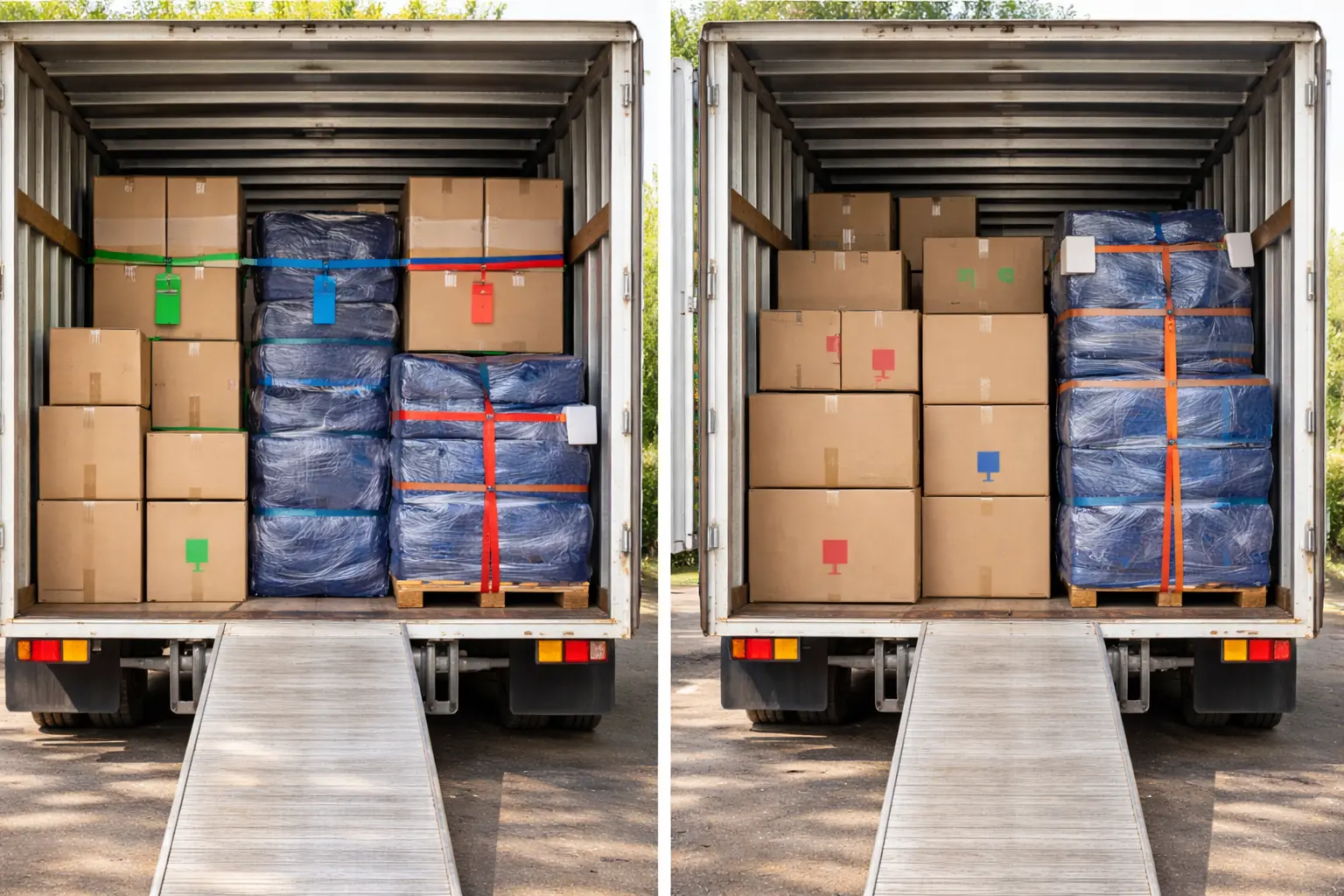
Cubic metres (m³) matter because they translate directly into truck space and load planning. A small 1-bedroom move often sits around 8–12 m³, many 2-bedroom moves land around 12–20 m³, and a typical 3-bedroom home commonly pushes 20–30 m³ — then garages, sheds, and outdoor settings can add more than people expect. The quickest way to get closer to the truth is to list bulky items first (beds, lounges, dining, appliances), then add realistic carton counts and the “non-house rooms” like garages and balconies. If you want a structured checklist to keep your scope accurate, use Interstate Moving Guide Adelaide.
A smaller load can still take longer if it’s stairs-heavy, lift-booked, or parked far from the truck. That’s why “small move” doesn’t always mean “small quote” — handling time is real.
Packing affects price in two ways: how long the crew spends handling it, and how well your items survive interstate transport. DIY packing can save money when cartons are strong, weights are sensible, and everything is labelled in a way that speeds up unloading. It can also increase risk and time when boxes are overloaded, poorly sealed, or stuffed with mixed items that collapse under stacking pressure. If you want practical packing guidance that suits interstate transport, use Packing Tips and Advice.
Pack non-fragiles early, keep carton sizes consistent where possible, label by room + priority, and stage boxes so pickup day runs clean. The fewer “where does this go?” moments, the faster the load and the lower the chance of handling blow-outs.
Timing gaps are the hidden budget killer — especially when you’re juggling lease handback, settlement, and Adelaide access windows. If you need to move out before you can move in, storage can prevent rushed decisions and keep the delivery controlled instead of chaotic. Storage can also support staged delivery so essentials arrive first and the rest follows when your place is ready. If you need a buffer, start here: Storage Solutions for Interstate Moves.

Fragile protection is mostly prevention: correct cartons, correct padding, and correct placement in the load. If you’re moving TVs, monitors, artwork, mirrors, antiques, or high-value electronics, ask what cover applies, what exclusions exist, and what optional upgrades are available for higher-risk categories. If you’re building a full relocation plan into Adelaide (not just transport), this hub connects the bigger steps: Moving Home to Adelaide.
Provide pickup suburb, delivery suburb, a room-by-room item list (including garage/shed/outdoor items), and access notes like stairs, lifts, parking limits, and long carries. If you’re relocating from a unit, confirm lift bookings and loading zones early because building time slots can dictate the whole schedule. For VIC-wide planning context, use Moving from Victoria to Adelaide.
Ready to price it properly? Get your FREE QUOTE and we’ll recommend the best Melbourne → Adelaide option for your timing and load size.
